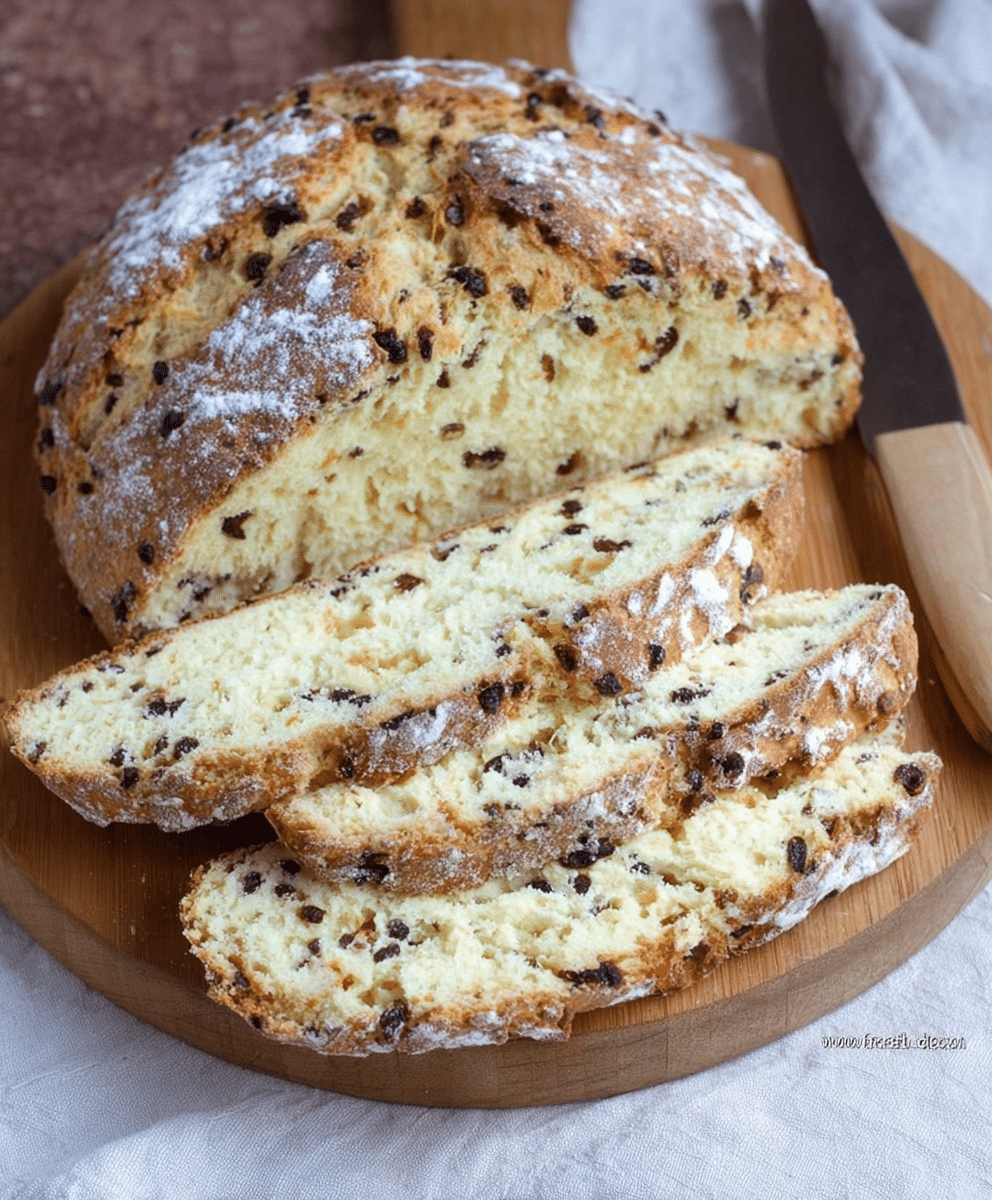
This classic Irish Soda Bread is the kind of recipe that reminds you why simple baking can be so deeply satisfying. With no yeast, no rising time, and no complicated techniques, this loaf comes together quickly and bakes into a beautifully rustic bread with a tender crumb, lightly crisp crust, and subtle sweetness from dried currants and orange zest. It’s approachable, comforting, and nearly foolproof—perfect for beginner bakers and seasoned home cooks alike.
Adapted from Ina Garten’s well-loved method, this version stays true to traditional soda bread while adding just enough richness and flavor to make it special. Whether you’re baking for a cozy weekend breakfast, a holiday table, or simply because you want fresh bread without the fuss, this Irish Soda Bread delivers every time.
Introduction
There’s something wonderfully grounding about baking bread at home—especially when the recipe doesn’t ask for special equipment, hours of waiting, or advanced skills. Irish Soda Bread is one of those rare recipes that feels both historical and refreshingly modern. Born out of necessity in Irish kitchens where yeast wasn’t always available, soda bread relies on baking soda and buttermilk for its rise, making it fast, reliable, and wonderfully forgiving.
This loaf is ideal for anyone who believes they “can’t bake bread.” There’s no kneading marathon, no proofing anxiety, and no technical shaping. Instead, you mix, gently form, and bake. The result is a hearty, tender bread with just enough sweetness from sugar and currants, balanced by the tang of buttermilk and a hint of citrus from orange zest.
It’s a loaf that feels at home on a breakfast table with butter and jam, alongside a savory meal, or served simply on its own while still warm from the oven.
Why You’ll Love This Recipe
- No yeast required – Baking soda does all the work, so there’s no rising or proofing time.
- Beginner-friendly – Minimal mixing and very light kneading make this approachable for any skill level.
- Quick from start to finish – Just one hour total time, including baking.
- Tender yet sturdy texture – Soft inside with a lightly crisp crust.
- Classic flavor with a twist – Dried currants and orange zest add subtle sweetness and aroma.
- Perfect for any occasion – Breakfast, brunch, holidays, or everyday baking.
Ingredients Breakdown
This recipe makes 1 loaf of Irish Soda Bread. All ingredient measurements are listed exactly as used in the recipe to ensure accuracy and consistency.
Dry Ingredients
- 4 cups all-purpose flour, plus 1 Tablespoon for currants
- 4 Tablespoons sugar
- 1 teaspoon baking soda
- 1 ½ teaspoons kosher salt
Fat
- 4 Tablespoons (½ stick) cold unsalted butter, cut into ½-inch dice
Wet Ingredients
- 1 ¾ cups buttermilk, cold and shaken
- 1 extra-large egg
- 1 teaspoon grated orange zest
Add-Ins
- 1 cup dried currants
Tools & Equipment Needed
To make this Irish Soda Bread smoothly and efficiently, you’ll need the following kitchen tools:
- Oven
- Baking sheet
- Parchment paper or baking mat
- Electric mixer
- Paddle attachment
- Mixing bowls (large and small)
- Fork
- Measuring cups and spoons
- Sharp knife
- Cutting board or clean countertop
- Toothpick (for doneness test)
- Cooling rack (optional)
Step-by-Step Instructions
Follow these steps carefully for a perfectly baked loaf. Each step is designed to ensure proper texture and even baking.
1. Preheat the Oven
Preheat your oven to 375°F. Line a baking sheet with parchment paper or a baking mat and set aside.
2. Combine the Dry Ingredients
In the bowl of an electric mixer, add:
- 4 cups all-purpose flour
- 4 Tablespoons sugar
- 1 teaspoon baking soda
- 1 ½ teaspoons kosher salt
Attach the paddle attachment and mix briefly to evenly distribute the ingredients.
3. Cut in the Butter
With the mixer on low speed, add the cold diced butter to the flour mixture. Mix until the butter is incorporated and the mixture resembles coarse crumbs. The butter should remain cold to help create a tender crumb.
4. Mix the Wet Ingredients
In a separate small bowl, combine:
- 1 ¾ cups cold buttermilk
- 1 extra-large egg
- 1 teaspoon grated orange zest
Lightly mix with a fork until just barely combined. Do not overmix.
5. Combine Wet and Dry Ingredients
Slowly add the buttermilk mixture to the flour and butter mixture with the mixer running on low speed. Mix until just combined. The dough will be soft and slightly wet.
6. Prepare the Currants
In a small bowl, toss the dried currants with 1 Tablespoon flour. This helps prevent them from clumping together and sinking in the dough.
Add the floured currants to the dough and gently mix until evenly distributed.
7. Shape the Dough
Generously flour a cutting board or countertop. Scrape the dough out of the bowl onto the floured surface. Lightly flour your hands and gently knead the dough only a few times—just enough to bring it together.
Form the dough into a round loaf.
8. Score the Bread
Using the tip of a sharp knife, lightly cut an X into the top of the loaf. This helps the bread bake evenly and allows steam to escape.
9. Bake
Place the loaf onto the prepared baking sheet. Bake for 45 to 55 minutes, until the bread is golden brown.
Test for doneness by inserting a toothpick into the center of the loaf. It should come out clean.
10. Cool Slightly
Remove the bread from the oven and allow it to cool slightly before slicing. This helps the crumb set and makes slicing easier.
Tips & Variations
Texture Tips
- Keep the butter cold for the best crumb.
- Do not overmix or over-knead the dough.
- The dough should feel moist but manageable.
Dietary Adjustments
- Vegetarian: This recipe is naturally vegetarian.
- Dairy-Free: Substitute dairy-free butter and dairy-free buttermilk alternatives, keeping measurements the same.
- Gluten-Free: Use a 1:1 gluten-free all-purpose flour blend designed for baking (results may vary).
Flavor Adjustments
- For less sweetness, reduce currants slightly while keeping the total amount consistent.
- Orange zest adds brightness, but the bread will still bake correctly without it if omitted.
Flavor Profile & Texture
This Irish Soda Bread has a lightly sweet, gently tangy flavor thanks to the combination of sugar, buttermilk, and currants. The orange zest adds a subtle citrus aroma that complements the richness of the butter. The crust is lightly crisp, while the interior remains soft, tender, and slightly dense in the traditional soda bread style.
Nutritional Overview
This bread is a satisfying, hearty option made with simple pantry ingredients. While not designed as a low-calorie bread, it offers a balance of carbohydrates, fats, and protein suitable for breakfast or as part of a meal.
Dietary considerations:
- Vegetarian-friendly
- Nut-free
- Contains dairy and gluten
Make-Ahead & Meal Prep Tips
- The dough should be baked immediately after mixing for best results.
- The baked loaf can be prepared a day ahead and stored properly.
- Slices can be reheated briefly in the oven to restore warmth and texture.
Frequently Asked Questions
1. Why doesn’t this bread need yeast?
Irish soda bread uses baking soda as a leavening agent. When combined with acidic buttermilk, it creates carbon dioxide bubbles that help the bread rise.
2. Can I overmix soda bread dough?
Yes. Overmixing or excessive kneading can make the bread tough. Mix just until combined.
3. Why is my dough so wet?
Irish soda bread dough is meant to be soft and slightly sticky. Extra flour should only be used on the surface and hands.
4. What does the X on top do?
Scoring the bread allows it to expand properly and bake evenly.
5. How do I know when it’s done?
A toothpick inserted into the center should come out clean.
Cooking Timeline (At a Glance)
| Stage | Time |
|---|---|
| Prep Time | 15 minutes |
| Cook Time | 45–55 minutes |
| Total Time | 1 hour |
Serving Suggestions
- Slice thickly and serve warm with butter.
- Toast lightly for breakfast or brunch.
- Serve alongside soups, stews, or simple meals.
- Enjoy plain to appreciate its texture and flavor.
Recipe Variations (Using the Same Base)
- Shape into two smaller loaves for faster baking.
- Bake as soda bread rolls by dividing the dough evenly.
- Form into a flatter round for a more rustic look.
Ingredient Spotlight
Buttermilk
Buttermilk provides acidity, which reacts with baking soda to create lift. It also adds tenderness and a subtle tang.
Storage Tip: Keep buttermilk refrigerated and shake well before measuring.
Dried Currants
Currants add natural sweetness and texture. Tossing them with flour ensures even distribution throughout the loaf.
Pro Cooking Tips
- Measure flour correctly by spooning it into the measuring cup and leveling it off.
- Use cold butter to maintain structure.
- Bake on the middle rack for even heat distribution.
- Let the bread rest slightly before slicing to avoid crumbling.
Storage & Freezing Guide
Storage
- Store the loaf at room temperature, wrapped loosely, for up to 2 days.
- For longer storage, refrigerate in an airtight container.
Freezing
- Freeze the fully baked and cooled loaf wrapped tightly.
- Thaw at room temperature before serving.
- Do not refreeze once thawed.
Nutrition Estimate Table (Per Serving)
Estimated values based on standard calculations.
| Nutrient | Approximate Amount |
|---|---|
| Calories | Moderate |
| Carbohydrates | High |
| Protein | Moderate |
| Fat | Moderate |
| Fiber | Low to moderate |
Dietary Notes: Vegetarian-friendly, nut-free, contains dairy and gluten.
Expanded Conclusion
This Irish Soda Bread is proof that homemade bread doesn’t need to be complicated to be deeply rewarding. With its simple ingredients, quick preparation, and reliable results, it’s the perfect recipe for building confidence in the kitchen. Whether you’re baking for tradition, convenience, or pure enjoyment, this loaf delivers warmth and comfort in every slice.
Give it a try, make it your own, and let it become one of those recipes you return to again and again. If you enjoyed this bread, be sure to explore more classic, approachable recipes and keep coming back for inspiration.
Print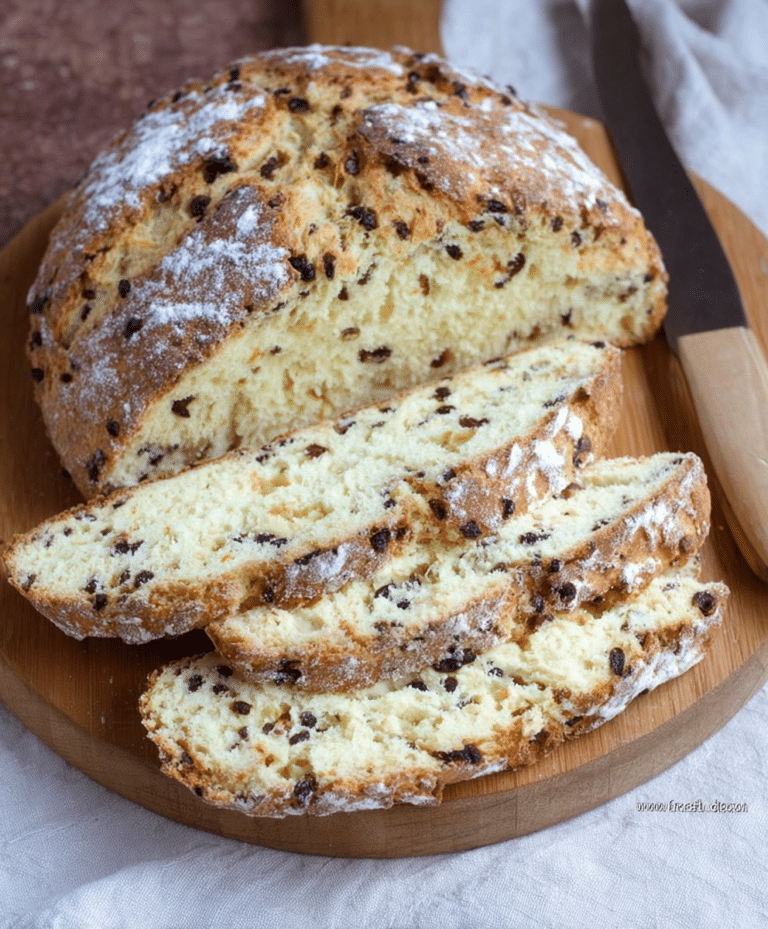
Irish Soda Bread
This easy loaf of delicious Irish Soda Bread needs no rising or kneading, making it perfect for anyone who thinks they can’t make bread. Lightly sweet, tender on the inside, and beautifully rustic on the outside, this classic recipe is simple, reliable, and ideal for everyday baking. Adapted from Ina Garten.
- Total Time: 1 hour
- Yield: 1 loaf
Ingredients
- 4 cups all-purpose flour, plus 1 tablespoon for currants
- 4 tablespoons sugar
- 1 teaspoon baking soda
- 1 ½ teaspoons kosher salt
- 4 tablespoons (½ stick) cold unsalted butter, cut into ½-inch dice
- 1 ¾ cups cold buttermilk, shaken
- 1 extra-large egg
- 1 teaspoon grated orange zest
- 1 cup dried currants
Instructions
- Preheat the oven to 375°F. Line a baking sheet with parchment paper or a baking mat.
- In the bowl of an electric mixer fitted with the paddle attachment, combine the flour, sugar, baking soda, and salt.
- With the mixer on low speed, add the butter and mix until the butter is incorporated into the flour mixture.
- In a separate small bowl, combine the buttermilk, egg, and orange zest. Lightly mix with a fork until just combined.
- Slowly add the buttermilk mixture to the flour mixture, mixing on low speed until just combined.
- In a small bowl, toss the currants with 1 tablespoon of flour, then add them to the dough and mix gently.
- Turn the dough out onto a well-floured surface. The dough will be wet.
- Flour your hands and knead the dough only a few times. Form it into a round loaf.
- Place the loaf on the prepared baking sheet. Using a sharp knife, lightly cut an X into the top of the dough.
- Bake for 45–55 minutes, until a toothpick inserted into the center comes out clean.
- Allow the bread to cool slightly before slicing and serving.
Notes
- No rising time is needed for this bread.
- Do not overmix or overknead, as this can make the bread tough.
- Delicious served warm with butter or jam.
- Prep Time: 15 minutes
- Cook Time: 45 minutes
- Category: Bread
- Method: Baking
- Cuisine: Irish